The Rise in Tick-Related Lyme Disease in Northeast Ohio
Across Geauga County and Northeast Ohio, tick populations have increased dramatically over the past several years — and with them, cases of tick-related Lyme disease. What was once considered a more isolated concern has now become a growing public health issue for families, pets, and property owners throughout our region.
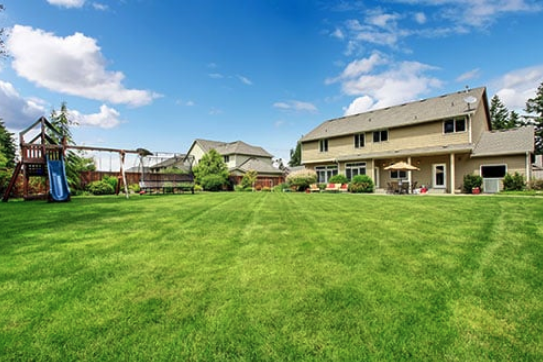
Many homeowners are surprised to learn that you don’t need deep woods to have a tick problem. Shaded turf edges, leaf litter, wood lines, brush, and even landscaped beds can create ideal habitat. Expanding deer populations and small mammals help transport ticks into residential neighborhoods. If your dog has brought a tick into the house, it’s a strong sign your yard supports tick activity.
Lyme disease, transmitted primarily by blacklegged ticks (often called deer ticks), can cause fatigue, joint pain, fever, neurological symptoms, and long-term health complications if left untreated. Pets are also highly vulnerable. Dogs frequently pick up ticks while simply walking the perimeter of a yard or resting near wooded edges.
Ticks are resilient. They remain active in cooler temperatures and live low to the ground, hiding in shaded, humid environments where many traditional spray services don’t fully reach. Ignoring the issue allows tick populations to build throughout the season, increasing exposure risk for your family.
That’s why proactive, targeted tick control has become essential for many Northeast Ohio homeowners.
Natural Defense Tick and Mosquito LLC focuses specifically on high-risk tick zones — wooded edges, shaded turf lines, under decks, and brush areas — using a high-powered skid sprayer system that delivers deeper, more consistent coverage where ticks actually live.
Treatments are applied every 21–30 days to stay ahead of the tick life cycle. Because protecting families and pets is the priority, botanical-based products classified as EPA 25(b) exempt are used — providing effective barrier protection without relying on harsh synthetic chemicals.
While ticks are the primary focus, the same barrier treatment also helps reduce mosquito populations by targeting resting areas in landscaping and shaded zones.
As Lyme disease cases continue to rise across Northeast Ohio, protecting your yard is no longer just about comfort — it’s about health and prevention.
Let your kids play. Let your pets roam.
Take proactive steps to reduce tick exposure and enjoy your yard with confidence again.